
Yassine founded OCPPLab to give EV charging engineering teams a serious testing platform — one built by someone who reads the OCPP and OCPI specs every day, not someone retrofitting a generic load-testing tool.
Before OCPPLab, Yassine spent years building CPMS infrastructure and writing OCPP / OCPI clients in production. He still owns the platform's protocol coverage and writes most of the technical reference posts on this blog.
Writes on
Posts by Yassine Elazrak
7 posts published.
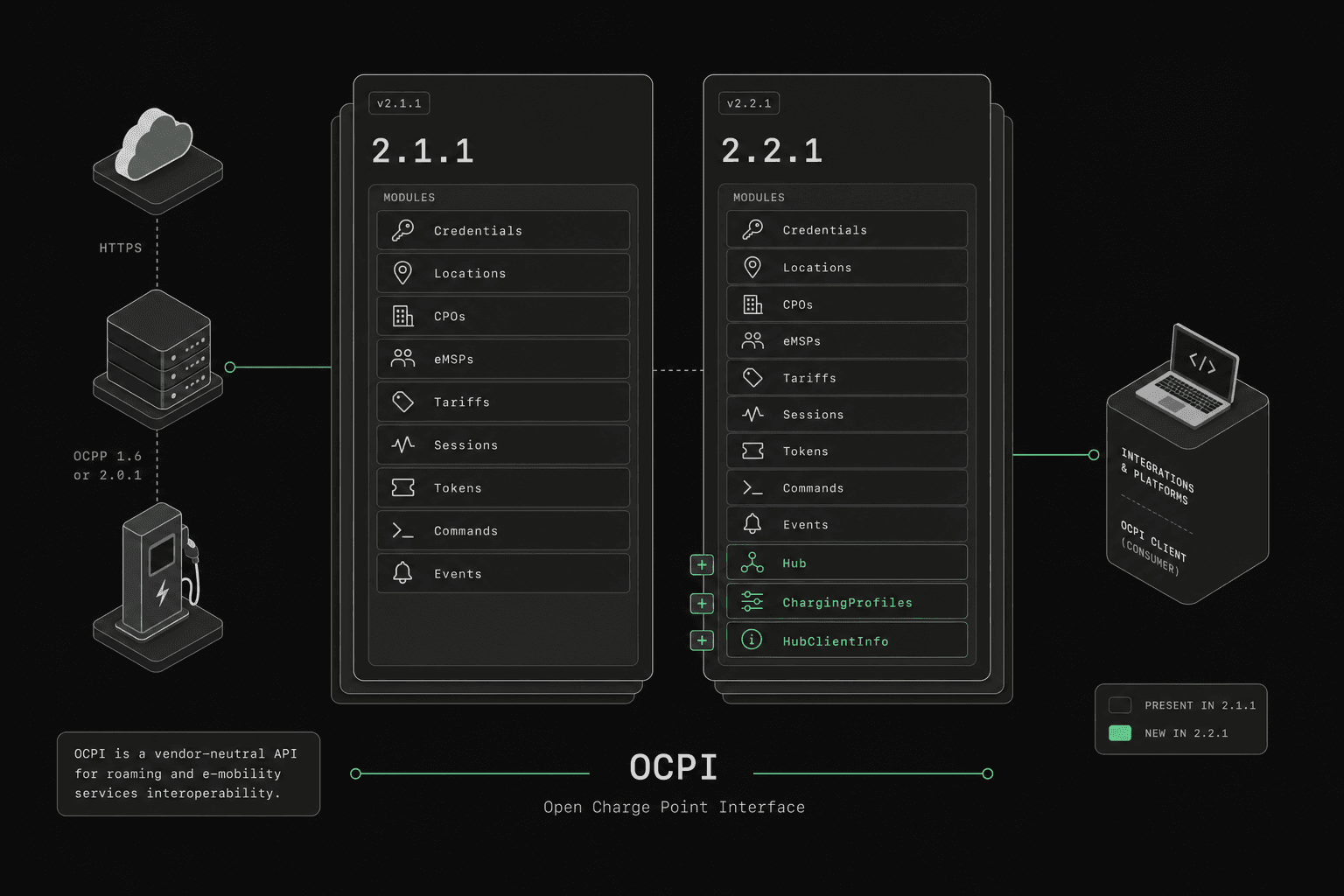
OCPI 2.1.1 vs 2.2.1: Differences, Features & Upgrade Guide
Compare OCPI 2.1.1 and OCPI 2.2.1 across roaming modules, hub support, ChargingProfiles, HubClientInfo, tariffs, and upgrade decisions for EV charging teams.
Read guide →
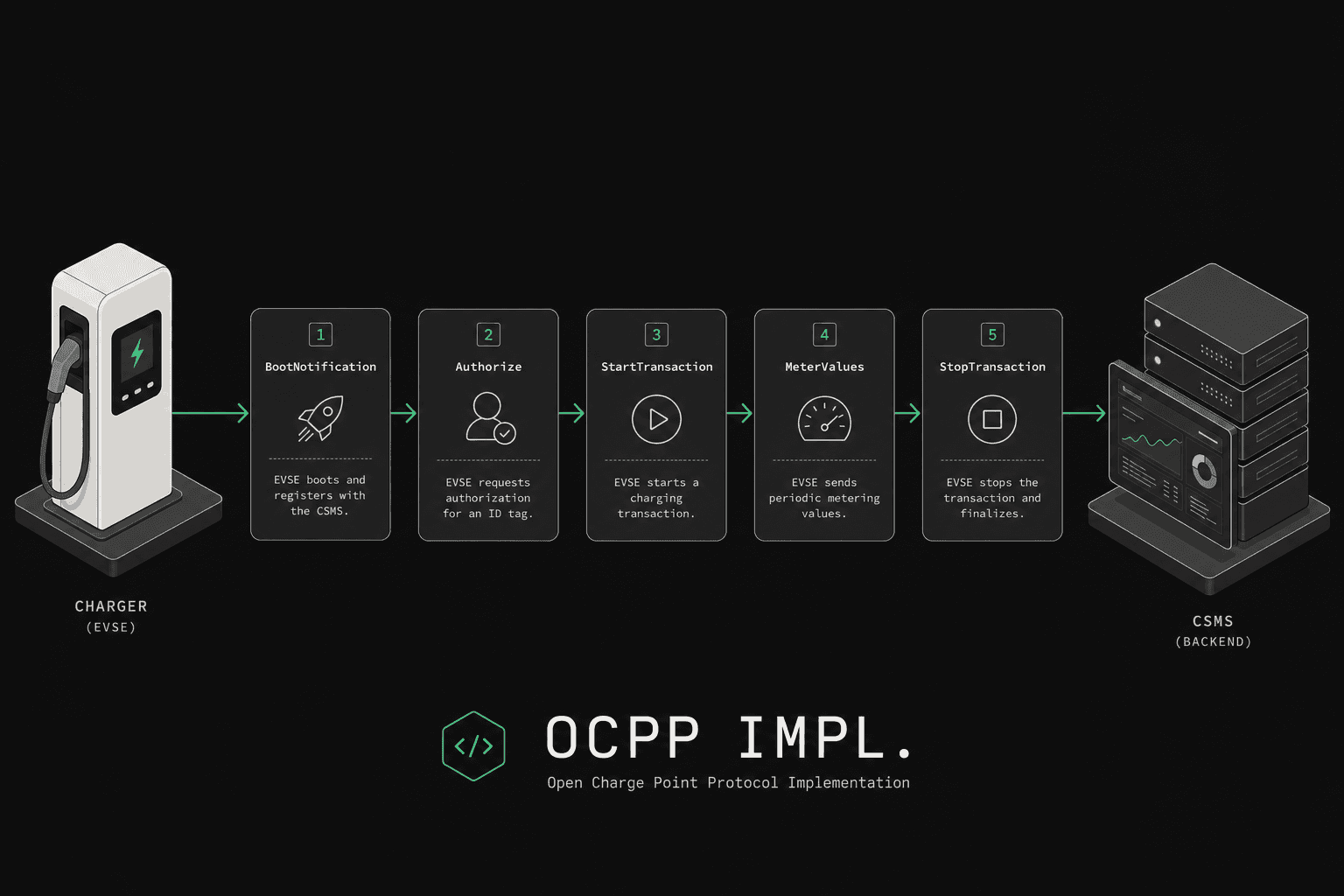
OCPP Implementation Guide: Build a CPMS for 1.6 & 2.0.1
Step-by-step OCPP implementation guide to build a CPMS for OCPP 1.6 and 2.0.1, covering WebSocket setup, the 7 core messages, smart charging, and testing.
Read guide →
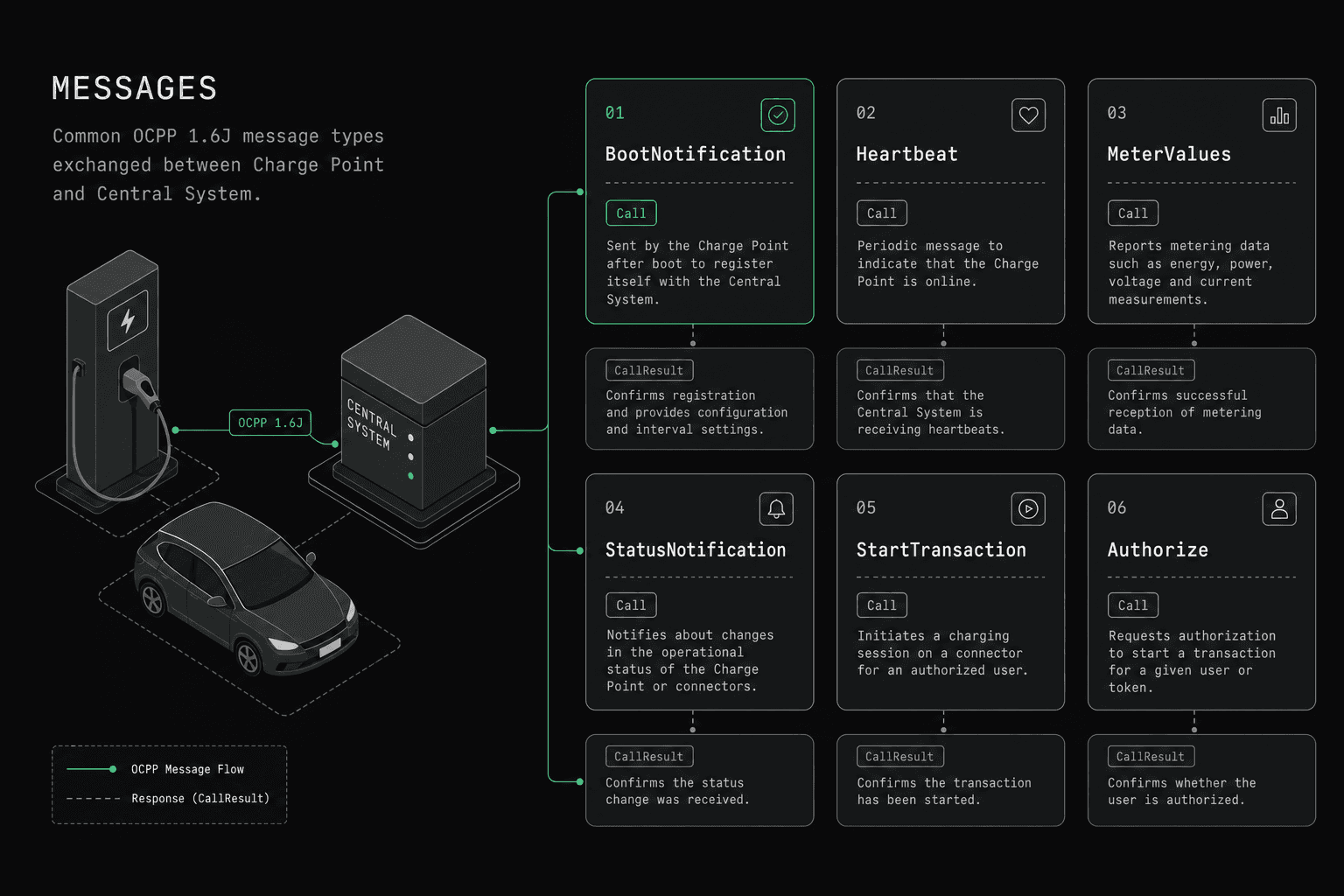
OCPP Message Types Reference: 1.6 and 2.0.1 Explained
Reference guide to all OCPP 1.6 and 2.0.1 message types, including the 28 core 1.6 actions, TransactionEvent, directions, payloads, and worked examples.
Read guide →
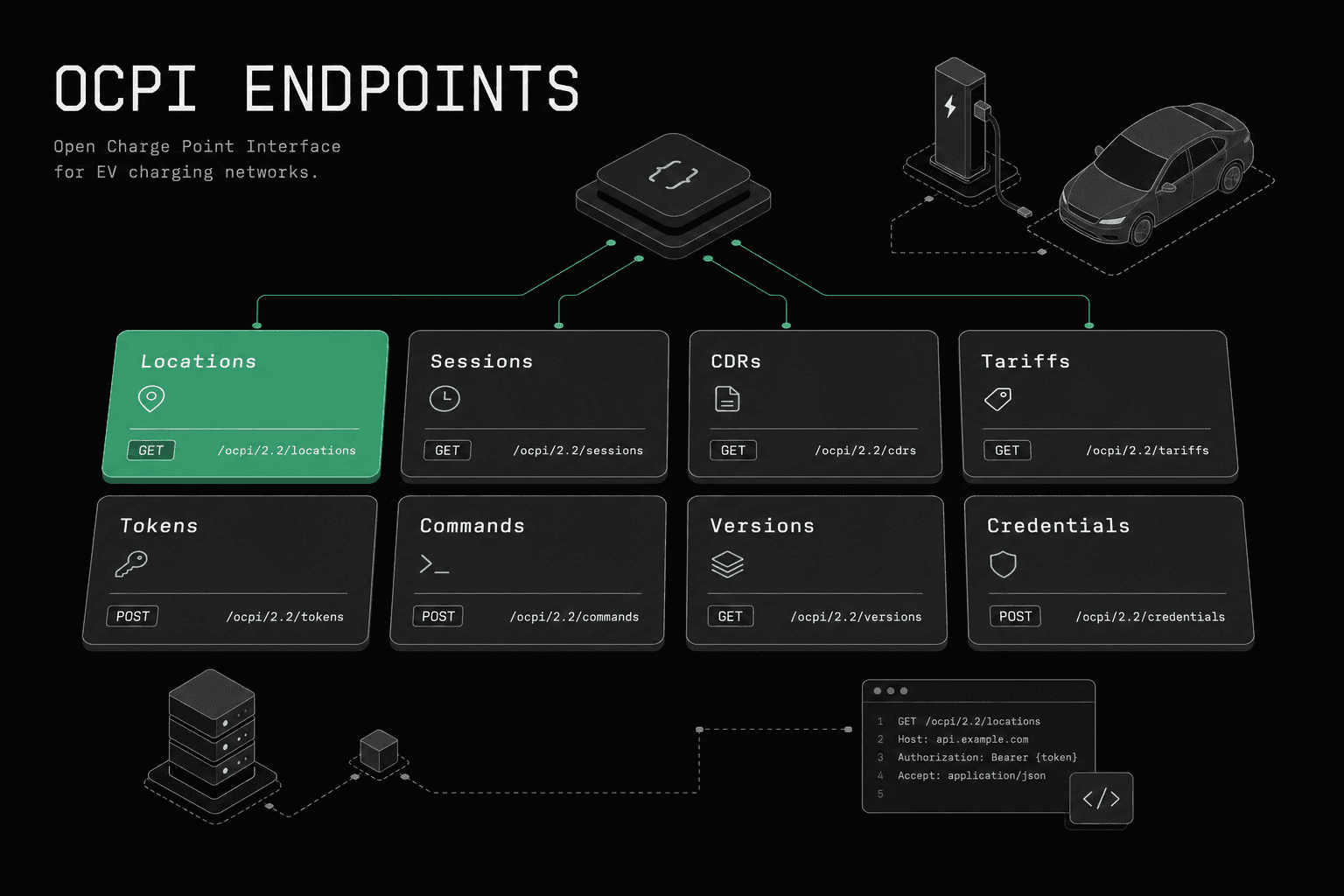
OCPI Endpoints Reference: API Guide for 2.1.1 and 2.2.1
Complete OCPI endpoint reference for versions 2.1.1 and 2.2.1, covering all 9 modules with methods, payloads, party ownership, and implementation notes.
Read guide →
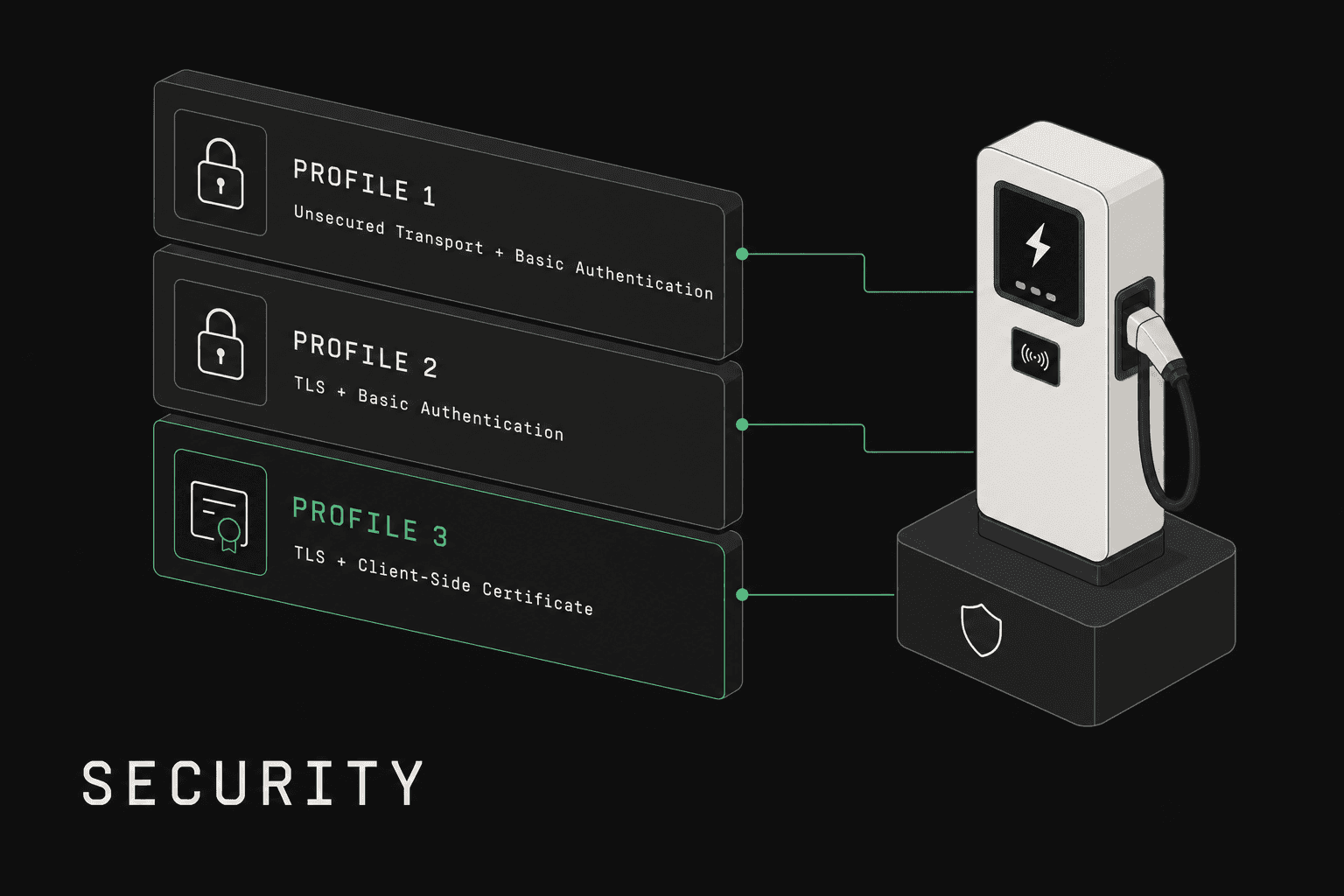
OCPP Security Profiles Explained: TLS & Certificates
OCPP 2.0.1 defines three mandatory security profiles. Learn how Profiles 1, 2, and 3 handle TLS, certificate management, and mutual TLS authentication.
Read guide →
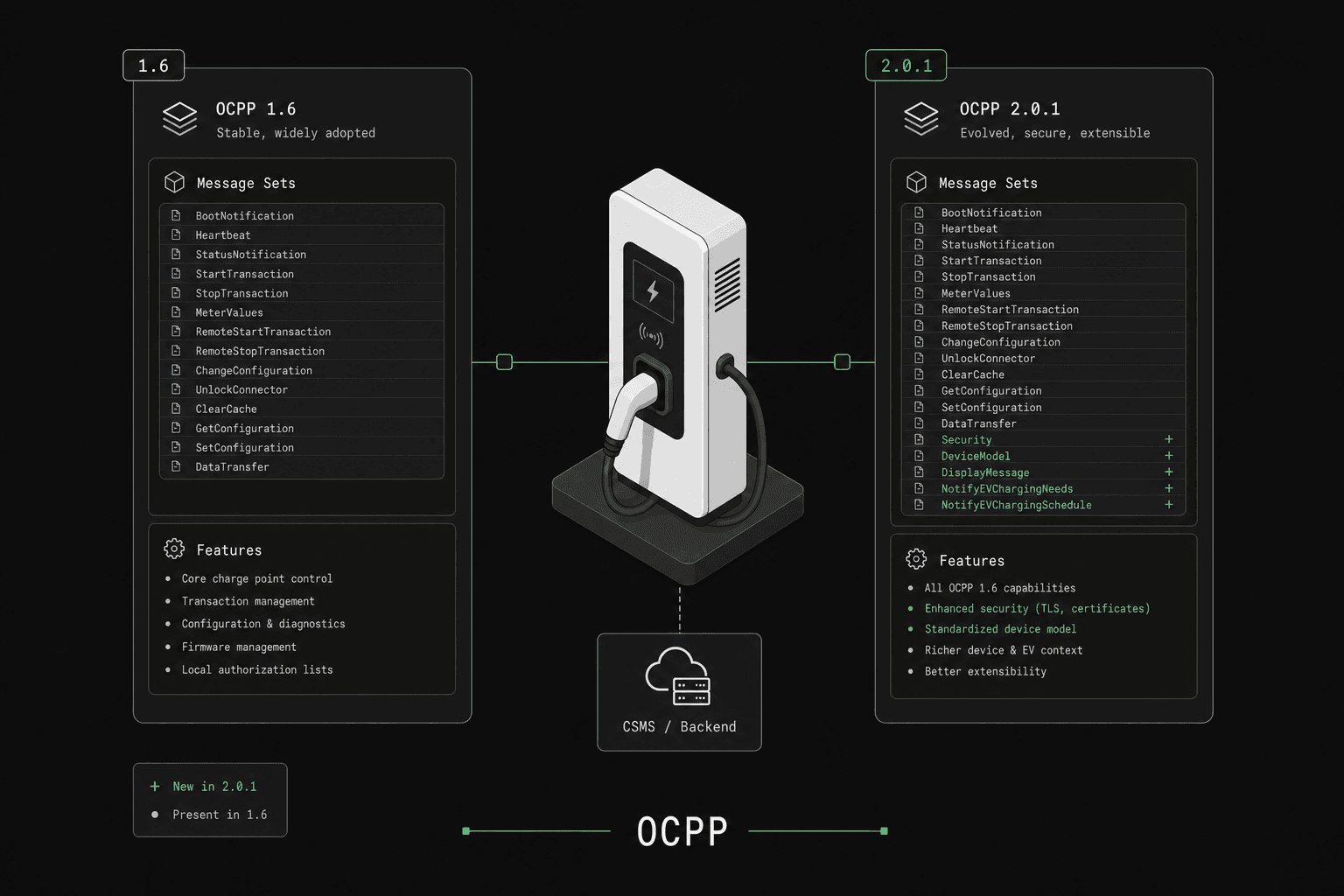
OCPP 1.6 vs 2.0.1: Differences, Features & Migration Guide
Compare OCPP 1.6 and 2.0.1 across security, smart charging, the device model, transactions, and ISO 15118 — plus a 5-step migration guide for CPMS teams.
Read guide →
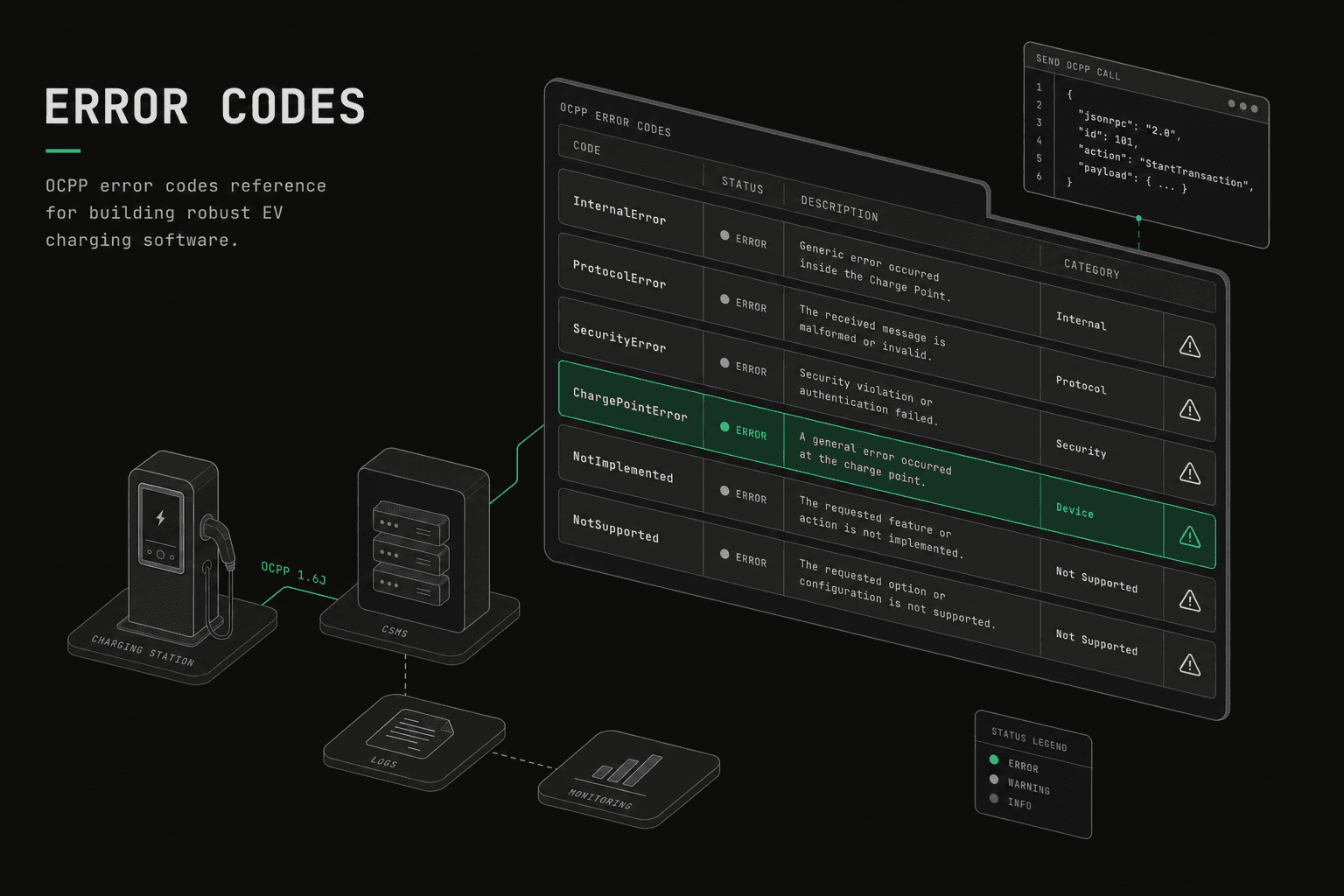
OCPP Error Codes: Complete Reference Guide for Developers
Learn all 10 OCPP error codes, the CALLERROR message format, common causes, and step-by-step troubleshooting to debug EV charging infrastructure faster.
Read guide →